From Cubicles to Collaboration: The Office Furniture Shift You Can’t Ignore
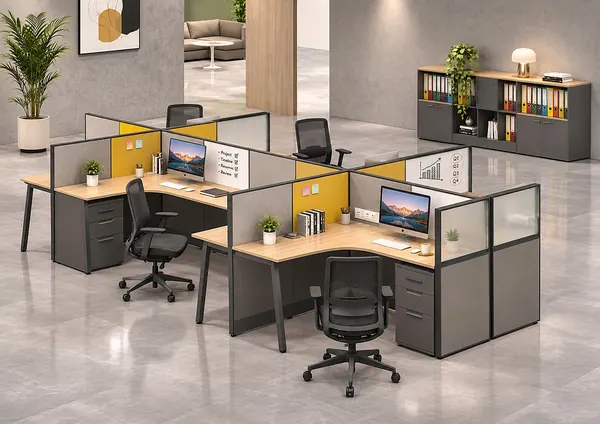
Gone are the days when offices were made up of endless rows of cubicles, each one a box of isolation. The modern workplace is evolving—and so is the furniture that fills it. Today, it's all about collaboration, flexibility, and employee well-being, and office furniture is playing a major role in that transformation.
Whether you're a startup designing your first space or a corporate team reimagining your office, understanding this shift is key to creating a work environment that drives productivity, innovation, and satisfaction.
The Fall of the Cubicle Era
For decades, cubicles symbolized efficiency and order. They were designed to maximize space, reduce distractions, and provide individual focus. But over time, something was lost: connection.
As businesses recognized the value of team-driven innovation, the flaws of the cubicle became clear:
- Limited interaction between coworkers
- A lack of natural light and airflow
- A sense of isolation that dampened morale
A Harvard Business Review study found that overly compartmentalized spaces can reduce collaboration by 70% as employees retreat into digital communication instead of face-to-face interaction.
The Rise of Collaborative Workspaces
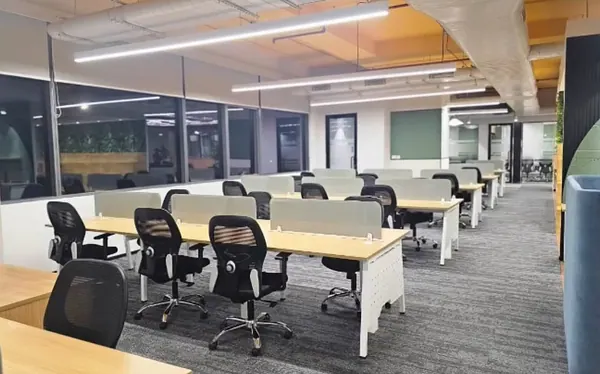
In contrast, today’s leading organizations are embracing open, flexible, and collaborative environments—and they’re seeing results. This shift isn’t just about knocking down walls; it’s about designing furniture and layouts that encourage connection, creativity, and team flow.
Key elements of the shift:
- Open-plan layouts that support transparency and idea-sharing
- Team huddle zones and breakout areas
- Modular and movable furniture that adapts to changing needs
According to Gensler’s Workplace Survey, employees who have access to a variety of workspaces—private, semi-private, and collaborative—report higher satisfaction and productivity levels.
Furniture That Fuels Collaboration
The furniture you choose plays a critical role in shaping how your team interacts and performs. Modern office furniture is no longer just functional—it’s strategic.
Here’s what defines the new wave of collaborative furniture:
1. Soft Seating Chairs for Casual Conversations
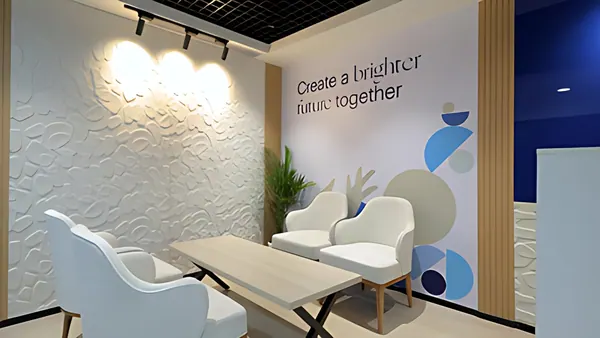
Comfortable soft seating chairs, sofas, and ottomans foster relaxed, impromptu discussions that spark innovation. These pieces reduce formal barriers and create a welcoming atmosphere for both employees and visitors.
2. Modular Tables and Benches
Collaborative work surfaces can be reconfigured to support anything from team meetings to solo work. Lightweight and adaptable, they reflect the agile nature of modern teams.
3. Acoustic Pods and Booths
In open spaces, focused work still matters. Acoustic booths provide a quiet escape without isolating employees from the collaborative spirit of the office.
4. Mobile Accessories
Whiteboards on wheels, rolling laptop tables, and stackable stools give teams the freedom to move, ideate, and present ideas anytime, anywhere.
5. Ergonomic Chairs for Better Health and Productivity
In any office setting, long work hours demand comfort and support. High-quality ergonomic chairs offer adjustable features and lumbar support to promote healthy posture. They’re not only ideal for desks but also enhance comfort in collaborative spaces where teams might gather for extended periods.
Why This Shift Matters More Than Ever
The shift from cubicles to collaboration is more than a design trend—it’s a business necessity. Here’s why:
- Employee Experience: Workers crave environments that support both productivity and well-being. Comfortable, collaborative spaces improve morale and reduce burnout.
- Talent Attraction & Retention: Top talent is drawn to innovative, people-first workplaces. A well-designed space signals a forward-thinking culture.
- Hybrid and Flexible Work: With hybrid work becoming the norm, offices must offer flexible zones for in-person meetings, video calls, and team sessions.
Office Trends: 2019–2024
Here's a visual representation of key trends in office furniture and workplace design from 2019 to 2024:
- Collaborative workspace adoption has consistently grown, highlighting the shift from isolated cubicles to open, teamwork-driven layouts.
- Employee preference for soft seating chairs has increased steadily, showing a demand for comfort and informal meeting zones.
- Investment in ergonomic chairs has surged, emphasizing the importance of health, posture, and productivity in the modern office.
How ModularKart can help
ModularKart, by Nav Jyoti Furniture Industries, has manufactured office furniture in its own Kirti Nagar, New Delhi factory since 1990. Every design in our catalogue can be made in your size, colour and storage layout, and our team handles measurement, delivery and installation.
- Workstations
- Meeting tables
- Custom furniture from your drawings
- Request a quotation or WhatsApp +91 96255 11388