How to Design a Hybrid Workspace with Modular Office Furniture
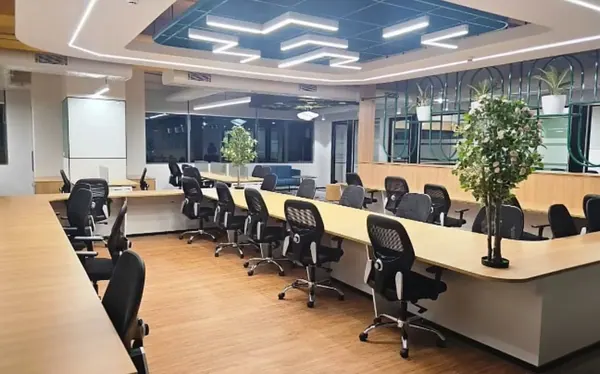
As the modern work environment evolves, hybrid workspaces—blending remote and in-office work—have become the new norm. Designing an efficient hybrid workspace requires flexibility, adaptability, and smart furniture choices. Modular office furniture is a perfect solution for creating a dynamic environment that meets the needs of both in-office and remote workers.
Understand the Needs of a Hybrid Workspace
A hybrid workspace must accommodate various work styles and functions. This includes providing private areas for focused work, collaborative spaces for team interactions, and comfortable zones for casual meetings. Start by identifying the specific needs of your team and the frequency of their in-office presence.
Three Reasons This Matters:
- Personalized Work Zones: Different teams require unique environments—from quiet focus areas to open collaboration spaces.
- Increased Productivity: Tailoring the workspace to employee needs enhances efficiency and job satisfaction.
- Optimized Space Usage: Understanding usage patterns helps allocate space effectively and reduces waste.
Fact: According to a 2023 McKinsey report, 90% of organizations plan to adopt a hybrid work model for the foreseeable future, making adaptable office designs crucial.
Embrace Modular Office Furniture for Flexibility
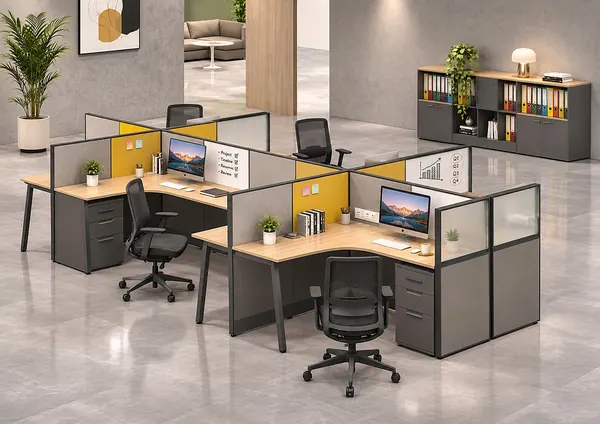
Modular furniture is designed to be rearranged and reconfigured easily. This adaptability is essential in a hybrid workspace where the number of on-site employees may fluctuate. Look for modular desks, mobile storage units, and adjustable seating options to allow seamless transitions between individual and group tasks.
Three Reasons This Matters:
- Scalability: Easily scale up or down based on team size and evolving business needs.
- Cost Efficiency: Reduce the need for permanent fixtures and lower renovation costs.
- Versatility: Adapt spaces for different uses—from solo workstations to team meetings.
Fact: A study by Steelcase found that companies using modular office furniture reported a 32% increase in space utilization and employee satisfaction.
Prioritize Space Efficiency
Space optimization is key when designing a hybrid workspace. Use multi-functional furniture such as foldable desks or stackable chairs to maximize utility. Modular pieces like movable partitions can create temporary private offices or collaborative pods, offering privacy when needed without permanent changes.
Three Reasons This Matters:
- Maximized Floor Space: Multi-functional furniture allows better use of limited square footage.
- Flexible Layouts: Adapt room configurations to suit changing work styles.
- Reduced Costs: Efficient use of space minimizes real estate expenses.
Fact: Research shows that optimizing office space with modular furniture can reduce real estate costs by up to 30% annually.
Foster Collaboration and Community
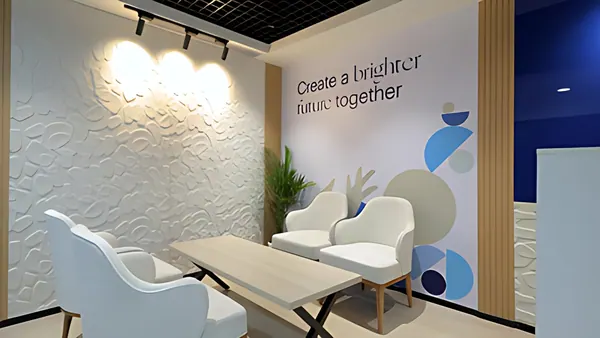
Designating collaborative zones with modular tables and comfortable seating fosters teamwork and idea-sharing. Incorporate breakout areas equipped with flexible furniture to encourage informal discussions and creative thinking. These adaptable spaces help bridge the physical divide and maintain a sense of community.
Three Reasons This Matters:
- Enhanced Team Dynamics: Encouraging collaboration strengthens relationships and teamwork.
- Creative Innovation: Informal spaces foster spontaneous idea exchanges.
- Inclusive Culture: Physical spaces for connection maintain a sense of belonging.
Fact: A Harvard Business Review study found that workplaces designed for collaboration can increase innovation by 15%.
Enhance Employee Well-Being
Comfort and ergonomics are crucial in any workspace. Invest in modular furniture that promotes proper posture and comfort, such as height-adjustable desks and ergonomic chairs. Additionally, consider incorporating greenery and natural lighting to improve the overall atmosphere and boost productivity.
Three Reasons This Matters:
- Improved Health: Ergonomic designs reduce strain and promote physical well-being.
- Higher Morale: Comfortable workspaces boost employee satisfaction and retention.
- Increased Focus: A pleasant environment enhances concentration and reduces fatigue.
Fact: The World Green Building Council states that office spaces with better indoor environments can improve productivity by up to 11%.
How to Design a Hybrid Workspace: Embracing Flexibility for the Future of Work
Flexible Workspace Solutions: Empowering Employee Choice
Flexible workspace solutions prioritize employee autonomy by offering diverse work settings. This approach caters to different tasks and work styles, allowing employees to choose where and how they work. From hot-desking systems to multi-use meeting rooms, these solutions provide versatility while optimizing office space.
Advantages of Flexible Workspace Solutions:
- Increased Productivity: Employees perform better when they can choose environments suited to their tasks.
- Space Optimization: Maximize real estate efficiency by utilizing multi-purpose areas.
- Work-Life Balance: Support hybrid work models by allowing employees to transition smoothly between home and office.
Interesting Fact: Research by CBRE shows that 73% of employees believe that flexible workspaces positively impact their productivity and work-life balance.
Hybrid Work Environment: Bridging Remote and In-Office Work
The hybrid work environment blends in-office collaboration with remote work flexibility. This model requires thoughtful office design and technology integration to ensure seamless communication and equal access to resources for all employees.
Why Hybrid Work Environments Matter:
- Greater Flexibility: Employees can balance remote and in-office work to suit their needs.
- Improved Collaboration: Spaces are designed to facilitate both physical and virtual teamwork.
- Talent Attraction: Offering hybrid options helps attract and retain top-tier talent.
Interesting Fact: According to a 2024 McKinsey report, 87% of employees prefer hybrid work models for the flexibility they provide.
Flexible Office Layouts: Designing for Versatility
Flexible office layouts accommodate various work styles and tasks through adaptable designs. These layouts typically feature open spaces, quiet zones, and modular setups to support a range of activities.
Advantages of Flexible Office Layouts:
- Enhanced Collaboration: Open areas foster teamwork while private zones allow for focused work.
- Efficient Use of Space: Multi-functional furniture maximizes available square footage.
- Employee Well-Being: Ergonomic designs and adaptable layouts improve comfort and satisfaction.
Interesting Fact: Studies show that workplaces with flexible layouts increase employee productivity by 20% and reduce stress levels.
Phone: 8920311919
Email:Team@modularkart.com
Website: https://www.modularkart.com/
Let us help you design the perfect hybrid workspace for your business!
How ModularKart can help
ModularKart, by Nav Jyoti Furniture Industries, has manufactured office furniture in its own Kirti Nagar, New Delhi factory since 1990. Every design in our catalogue can be made in your size, colour and storage layout, and our team handles measurement, delivery and installation.
- Workstations
- Meeting tables
- Custom furniture from your drawings
- Request a quotation or WhatsApp +91 96255 11388